
Introduction
Technology is advancing at an extraordinary pace, reshaping industries and redefining how we live, work, and learn. From self-driving cars to intelligent assistants, Robotics and Artificial Intelligence (AI) are at the forefront of this transformation.
But here’s the challenge: Are schools preparing students to merely use technology, or are they empowering them to create it?
This is where Robotics and AI labs come into play. These labs are more than just classrooms—they’re innovation hubs where students develop critical thinking, creativity, and problem-solving skills. In this article, we’ll explore why Robotics and AI labs are essential in schools, how they prepare students for the future, and what steps schools can take to implement them effectively.
The Rising Importance of Robotics and AI Education
Robotics and AI are no longer optional—they’re essential for the future workforce. Here’s why:
- The Job Market Is Changing: Automation and AI are transforming industries, creating new opportunities while replacing traditional roles. By 2030, it’s estimated that 85 million jobs will be displaced by automation, but 97 million new roles will emerge in fields like AI, robotics, and data science.
- Future-Proofing Students: Early exposure to Robotics and AI equips students with the skills they need to thrive in a tech-driven world.
- Global Competitiveness: Countries investing in STEM education are leading the innovation race. Schools need to keep up to ensure their students remain competitive on a global scale.
In short, Robotics and AI education isn’t just about learning technology—it’s about preparing for the future.
What is a Robotics and AI Lab?

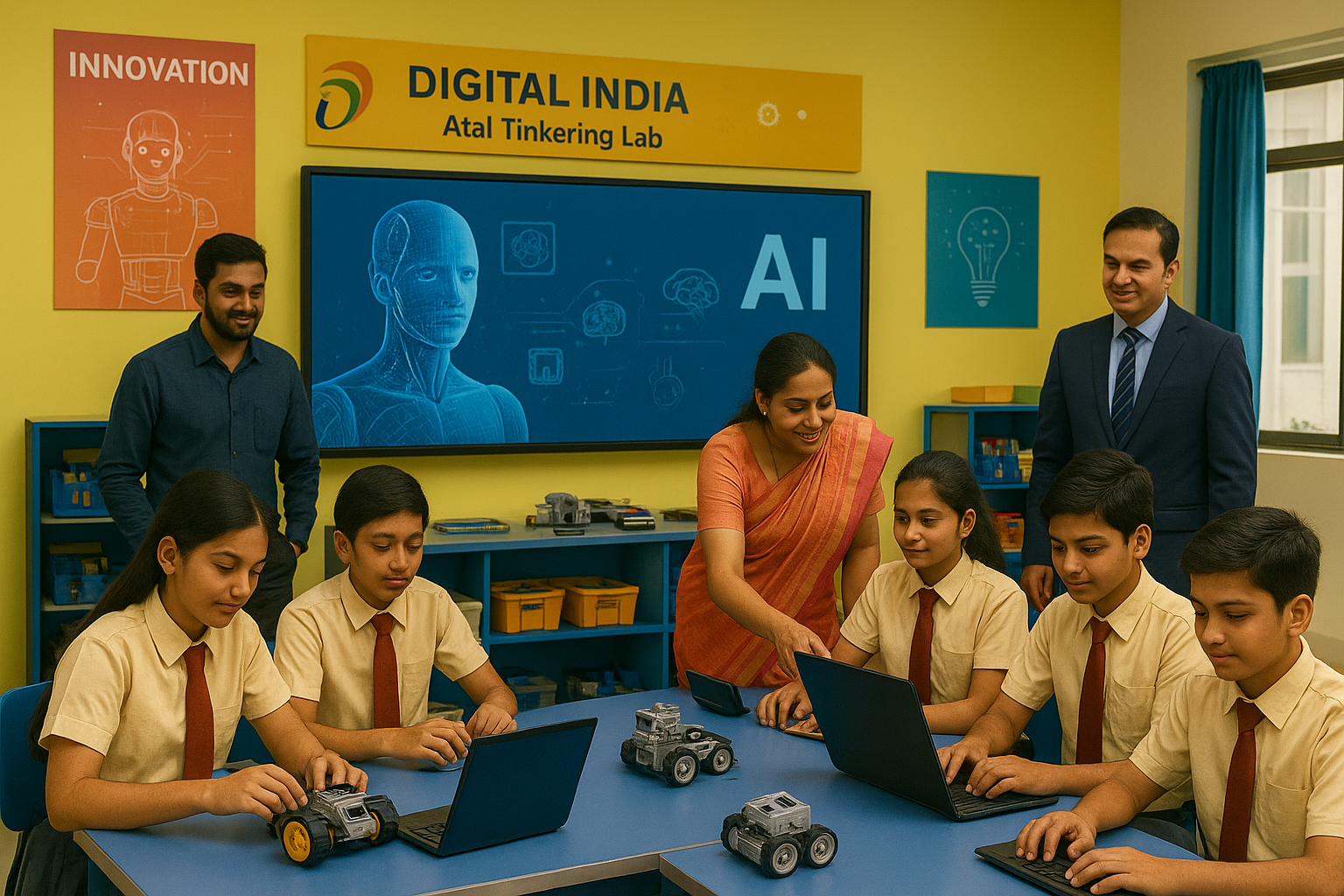
A Robotics and AI lab is a dedicated space where students can explore, experiment, and innovate. These labs are equipped with:
- Robotic Kits: Tools for building and programming robots, such as LEGO Mindstorms, Arduino, or Raspberry Pi.
- AI Software: Platforms for exploring machine learning, natural language processing, and AI simulations.
- Interactive Learning Tools: Hands-on activities that make STEM concepts come alive, such as coding challenges, 3D printing, and virtual reality.
Unlike traditional classrooms, Robotics and AI labs focus on experiential learning. Students don’t just learn—they do. They design, build, and solve real-world challenges, making STEM concepts both practical and exciting.
How Robotics and AI Labs Foster Innovation and Creativity
One of the most exciting aspects of Robotics and AI labs is their ability to spark creativity and innovation. Here’s how:
- Hands-On Learning: Students learn by doing, which encourages curiosity and experimentation.
- Problem-Solving Skills: Building robots or AI models teaches students to embrace failure and think critically.
- Teamwork and Collaboration: These labs encourage students to work together, share ideas, and develop innovative solutions.
For example, a group of students might work together to design a robot that can sort recyclable materials, combining engineering, coding, and environmental science. This kind of project not only sparks creativity but also shows students how their skills can make a real-world impact.
Developing Essential Future Skills in Students
Robotics and AI labs don’t just teach technical skills—they build character. Students develop:
- Perseverance: Debugging code and fixing errors teaches resilience and determination.
- Adaptability: Trial and error fosters a growth mindset, helping students learn to adapt to new challenges.
- Leadership: Team projects encourage students to take initiative, delegate tasks, and lead their peers.
These skills are invaluable in any career, not just STEM fields. Whether students become engineers, entrepreneurs, or artists, the ability to think critically, adapt, and collaborate will serve them well.
The Positive Impact on Student Engagement and Academic Performance
Let’s face it—traditional classrooms can feel boring. Robotics and AI labs change that by making learning fun and interactive.
- Boosting Engagement: Hands-on projects and competitions make STEM subjects exciting.
- Improving Understanding: Complex concepts in math and science become easier to grasp through practical application.
- Encouraging Curiosity: Students are motivated to explore and experiment, which leads to deeper learning.
For instance, a student who struggles with algebra might suddenly find it fascinating when they use it to program a robot’s movements. By connecting abstract concepts to real-world applications, Robotics and AI labs make STEM subjects more accessible and enjoyable.
Addressing the Digital Divide and Ensuring Accessibility
Not all students have access to modern technology, especially in underserved areas. Robotics and AI labs can help bridge this gap by:
- Providing Equal Opportunities: Every student gets hands-on experience with cutting-edge tools, regardless of their background.
- Closing the Gap: Schools can prioritize funding and partnerships to ensure no one is left behind.
For example, initiatives like India’s Atal Tinkering Labs have brought Robotics and AI education to thousands of schools, empowering students in rural and underserved areas to dream big and innovate.
Ethical AI Education: Teaching Responsibility and Awareness
With great power comes great responsibility. As students learn about Robotics and AI, it’s crucial to teach them about the ethical implications of technology.
- Responsible AI Use: Students should understand how to use AI responsibly and avoid biases in algorithms.
- Data Privacy: Protecting personal information is a critical skill in today’s digital world.
- Societal Impact: Students should consider how their innovations affect communities and the environment.
By teaching ethics alongside technical skills, Robotics and AI labs ensure students become conscientious innovators who think beyond just the code.
Teacher Training and Continuous Support for Successful Labs
Even the best lab is only as good as its teachers. Schools must invest in their educators to ensure the success of Robotics and AI programs.
- Training and Workshops: Teachers need ongoing training to stay updated with emerging technologies.
- Mentorship and Support: Educators should have access to resources and mentorship to guide their students effectively.
Empowered teachers create empowered students, unlocking the full potential of Robotics and AI labs.
Integrating Robotics and AI Labs with Curriculum and Personalized Learning
Robotics and AI labs work best when they’re part of the bigger picture. Schools can:
- Combine Subjects: Integrate labs with math, physics, and computer science to create interdisciplinary learning experiences.
- Personalize Learning: Let students explore at their own pace and focus on their interests, making education more inclusive and engaging.
For example, a physics class might use the lab to build a robot that demonstrates the principles of motion, combining theory with hands-on application.
Collaborations, Government Programs, and Industry Partnerships

Schools don’t have to do it alone. Partnerships with tech companies and government initiatives can provide the support they need to implement Robotics and AI labs.
- Funding: Grants and sponsorships make labs more accessible.
- Mentorship: Industry experts can guide students and teachers.
- Sustainability: Long-term support ensures labs stay cutting-edge.
For instance, partnerships with companies like Google or Microsoft can provide schools with the resources and expertise they need to succeed.
Challenges in Setting Up Robotics and AI Labs and How to Overcome Them
Setting up a Robotics and AI lab isn’t easy, but it’s worth it. Here’s how schools can get started:
- Start Small: Use modular kits and build gradually.
- Apply for Grants: Seek funding from government and private organizations.
- Collaborate: Partner with industry experts for guidance and resources.
By taking small, strategic steps, schools can overcome budget and infrastructure challenges to create impactful Robotics and AI programs.
Real-World Applications and Preparing Students for Future Careers
The skills learned in Robotics and AI labs directly translate to future careers. Students gain:
- Technical Expertise: Knowledge of automation, AI, and robotics engineering.
- Industry Readiness: Hands-on experience that sets them apart in STEM fields like healthcare, IT, and manufacturing.
For example, a student who builds a robot in high school might go on to design surgical robots or autonomous vehicles, shaping the future of technology.
Case Studies and Success Stories
Schools around the world are already seeing the impact of Robotics and AI labs. Students are:
- Winning Competitions: Showcasing their skills on national and international stages.
- Innovating Solutions: Developing projects that solve real-world problems, such as robots for disaster relief or AI models for medical diagnosis.
- Transforming Education: Inspiring other schools to follow their lead and invest in Robotics and AI programs.
These success stories highlight the transformative power of Robotics and AI labs, inspiring students and educators alike.
Conclusion
Robotics and AI labs are more than just a trend—they’re a necessity. By investing in these labs, schools are preparing students to become the innovators and leaders of tomorrow.
The future is here, and it’s time to equip the next generation with the tools to build a smarter, more innovative world.