
Why Robotics Labs Matter More Than Evert
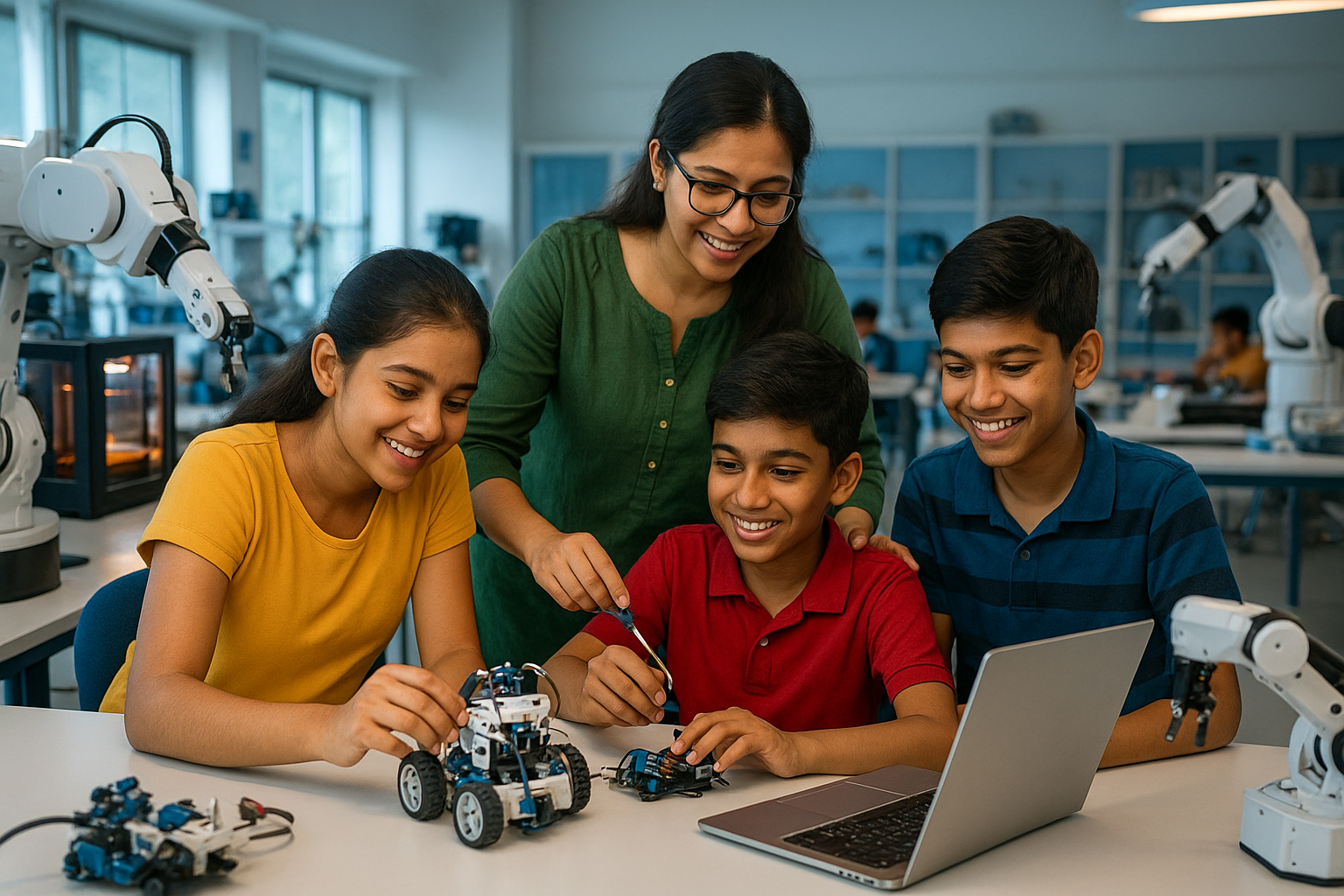
Before diving into common mistakes, let’s establish why getting your robotics lab right is crucial. Research from MIT shows that hands-on robotics education improves STEM comprehension by 40% and increases student engagement in technical subjects by 65%. In our rapidly evolving job market, where automation and AI are reshaping industries, robotics education isn’t just beneficial – it’s essential.
A successful robotics lab setup goes beyond simply assembling parts and equipment; it requires thoughtful planning, strategic investment, and continuous adaptation to emerging technologies. Whether the goal is to inspire innovation, foster collaboration, or build future-ready skills, a robust robotics lab setup serves as the foundation for all these aspirations. Educational institutions that prioritize a well-designed robotics lab setup empower their students to experiment, invent, and thrive in a technology-driven world. By paying close attention to every detail of the robotics lab setup journey, from space planning to curriculum integration, schools and colleges position themselves as leaders in hands-on STEM education. This comprehensive approach to robotics lab setup ensures that students and educators alike benefit from a dynamic learning environment tailored to the needs of tomorrow’s innovators.
Mistake #1: Not Defining Clear Objectives
The Problem: Many institutions jump into robotics lab setup without clearly defining their goals. Are you creating an educational tool for K-12 students, a research facility for advanced studies, or a hobbyist space for community engagement?
Why It Matters: Different objectives require vastly different approaches. An elementary school lab focused on basic programming concepts needs different equipment, space, and curriculum than a university research facility developing autonomous systems.
The Solution:
- Educational Labs: Focus on age-appropriate learning modules, collaborative workstations, and curriculum integration
- Research Labs: Prioritize advanced equipment, specialized software, and flexible project spaces
- Hobbyist Labs: Emphasize accessibility, community building, and diverse skill levels
Start by writing a clear mission statement that defines your lab’s primary purpose, target audience, and expected outcomes. This document should guide every subsequent decision.
Mistake #2: Poor Space Planning and Infrastructure
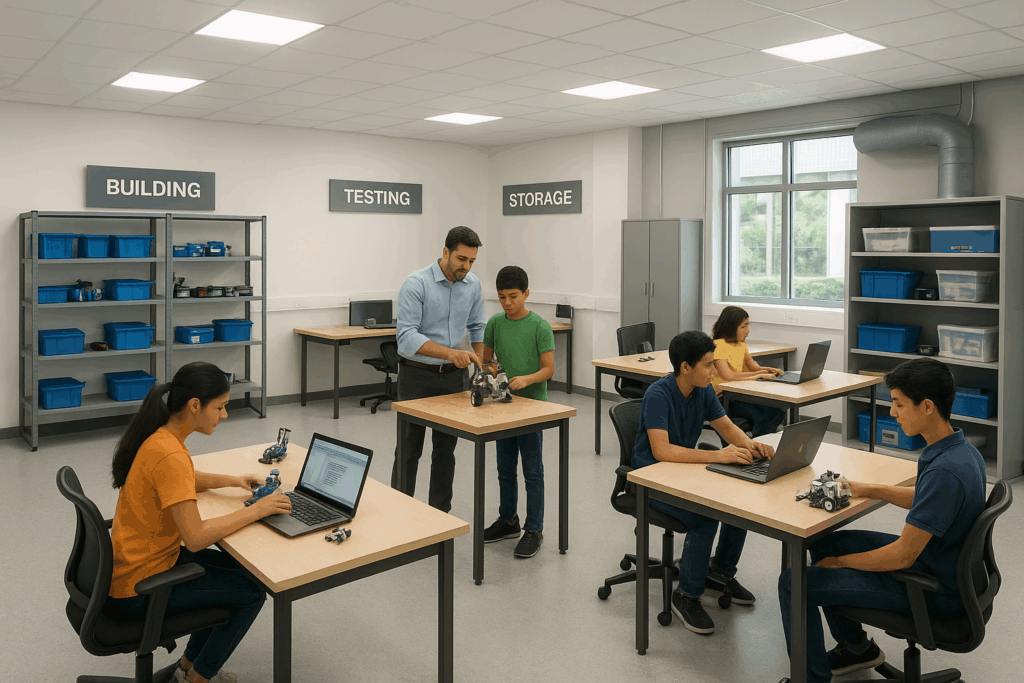
The Problem: Cramming robotics equipment into any available classroom without considering workflow, safety, or scalability leads to inefficient and potentially dangerous learning environments.
Why It Matters: Physical space directly impacts learning effectiveness. Studies show that well-designed learning environments can improve student performance by up to 25%.
The Solution:
- Zone Design: Create distinct areas for different activities:
- Building/assembly stations with good lighting
- Testing zones with open floor space
- Computer workstations for programming
- Storage areas for components and projects
- Presentation space for demonstrations
- Infrastructure Requirements:
- Multiple electrical outlets (minimum 4 per workstation)
- Strong internet connectivity for cloud-based programming platforms
- Adequate ventilation for electronic work
- Flexible furniture that can be reconfigured for group projects
- Scalability Planning: Design your space to accommodate growth. Start with modular furniture and infrastructure that can expand as your program develops.
Mistake #3: Underestimating Total Budget
The Problem: Focusing only on initial equipment costs while ignoring ongoing expenses like maintenance, consumables, software licenses, and technology upgrades.
Why It Matters: Hidden costs can quickly exceed initial budgets. A typical robotics lab requires 20-30% of its initial investment annually for maintenance and updates.
The Solution:
- Comprehensive Budget Planning:
- Initial equipment: 60-70% of total budget
- Annual maintenance: 15-20%
- Consumables and replacement parts: 10-15%
- Software licenses and updates: 5-10%
- Training and professional development: 5-10%
- Funding Strategies:
- Government grants (NSF, Department of Education)
- Corporate partnerships and CSR programs
- Alumni donations and fundraising events
- Industry sponsorships in exchange for talent pipeline access
Create a 5-year financial projection that includes all costs, not just the initial setup.
Mistake #4: Selecting Incompatible or Insufficient Equipment
The Problem: Choosing equipment based on price or popularity without considering compatibility, curriculum alignment, or long-term educational goals.
Why It Matters: Incompatible systems create frustration and limit learning opportunities. Students spend more time troubleshooting technical issues than learning core concepts.
The Solution:
- Age-Appropriate Selection:
- Elementary (K-5): Visual programming platforms like Scratch for Arduino, LEGO Education sets
- Middle School (6-8): Arduino-based kits, basic sensors, 3D printing introduction
- High School (9-12): Advanced microcontrollers, complex sensors, AI/ML integration
- University: Professional-grade equipment, research-focused platforms
- Ecosystem Thinking: Choose equipment that works together seamlessly. Consider:
- Software compatibility across platforms
- Shared programming languages
- Interchangeable components
- Unified support and documentation
- Modular Approach: Invest in systems that can grow with students’ skills and your program’s needs.
Mistake #5: Skipping Teacher and Staff Training
The Problem: Assuming teachers can figure out complex robotics systems on their own, leading to underutilized equipment and frustrated educators.
Why It Matters: Teacher confidence directly correlates with student success. Research shows that well-trained teachers increase student engagement in STEM subjects by 80%.
The Solution:
- Comprehensive Training Programs:
- Initial equipment familiarization (2-3 days)
- Curriculum integration workshops
- Ongoing support and refresher sessions
- Peer learning networks and communities
- Training Resources:
- Vendor-provided certification programs
- Online learning platforms and tutorials
- Conference attendance and professional development
- Mentorship from experienced robotics educators
- Support Systems:
- Technical support contracts with vendors
- Local university partnerships
- Teacher collaboration networks
- Student teaching assistants for advanced programs
Mistake #6: Failure to Integrate Robotics into Curriculum
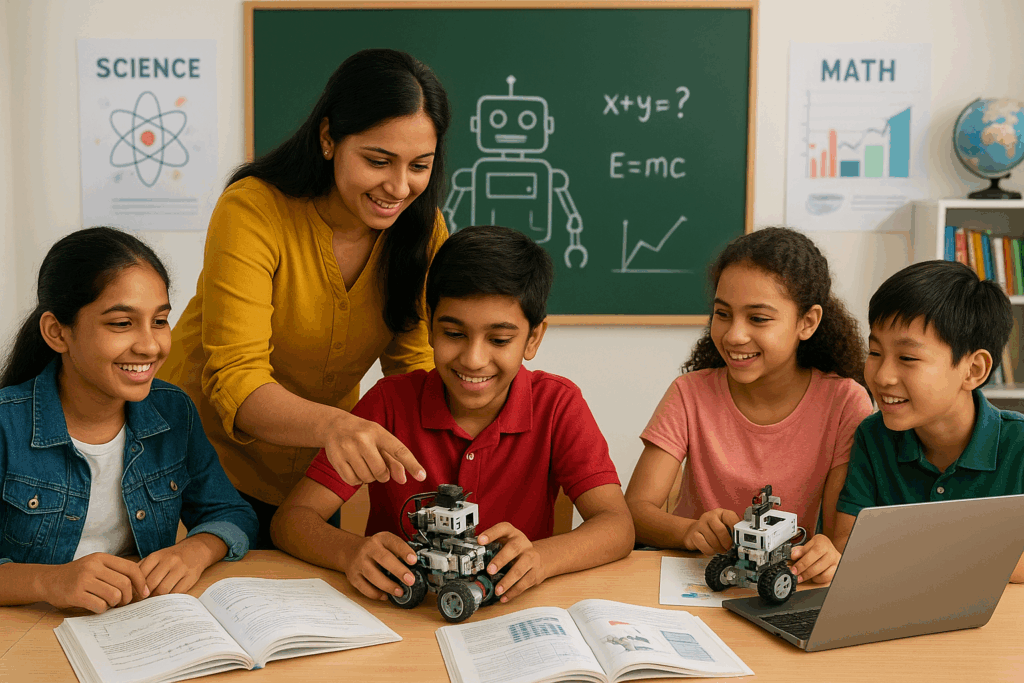
The Problem: Treating robotics as an isolated subject rather than a tool that enhances learning across multiple disciplines.
Why It Matters: Integrated approaches show 45% better learning outcomes than standalone robotics classes, according to educational research.
The Solution:
- Cross-Curricular Integration:
- Mathematics: Geometry through robot movement, statistics through sensor data
- Science: Physics concepts through mechanical systems, biology through biomimicry
- English: Technical writing, presentation skills, storytelling through robot narratives
- Social Studies: Ethics of automation, impact of technology on society
- Curriculum Alignment:
- Map robotics activities to state and national standards
- Create assessment rubrics that measure both technical skills and core subject learning
- Develop project-based learning modules that address multiple learning objectives
- Grade-Appropriate Progression:
- Build complexity gradually across grade levels
- Ensure concepts scaffold properly from basic to advanced
- Create clear learning pathways and milestones
Mistake #7: Overlooking Safety and Compliance
The Problem: Failing to implement proper safety protocols and compliance measures, creating liability risks and unsafe learning environments.
Why It Matters: Safety incidents can shut down programs permanently and create legal liability for institutions.
The Solution:
- Essential Safety Measures:
- Electrical safety protocols and GFCI protection
- Eye protection for all construction activities
- First aid kits and emergency procedures
- Tool safety training and supervision protocols
- Proper ventilation for soldering and 3D printing
- Compliance Requirements:
- Building codes and fire safety regulations
- ADA accessibility standards
- Insurance requirements and liability coverage
- Age-appropriate tool and equipment restrictions
- Safety Culture:
- Regular safety training for staff and students
- Clear safety rules and consequences
- Incident reporting and analysis procedures
- Regular safety audits and improvements
Mistake #8: Neglecting Maintenance and Upgrades
The Problem: Assuming robotics equipment will function indefinitely without regular maintenance or technology updates.
Why It Matters: Outdated or broken equipment frustrates users and limits learning opportunities. Technology evolves rapidly, and robotics labs must keep pace.
The Solution:
- Preventive Maintenance:
- Weekly equipment checks and cleaning
- Monthly calibration and software updates
- Quarterly deep cleaning and component replacement
- Annual professional servicing contracts
- Technology Refresh Cycles:
- Plan for 20-25% of equipment replacement annually
- Monitor industry trends and educational technology developments
- Budget for software license renewals and upgrades
- Evaluate new educational platforms and tools regularly
- Vendor Relationships:
- Establish strong relationships with equipment suppliers
- Negotiate comprehensive support contracts
- Join user communities and forums for troubleshooting
- Attend trade shows and conferences for latest developments
Mistake #9: Lack of Community Engagement and Sustainability
The Problem: Operating robotics labs in isolation without building connections to industry, parents, and the broader community.
Why It Matters: Community support provides resources, expertise, and sustainability that internal funding alone cannot match.
The Solution:
- Industry Partnerships:
- Guest speakers from local tech companies
- Mentorship programs with engineering professionals
- Internship opportunities for advanced students
- Equipment donations and sponsorships
- Parent and Alumni Engagement:
- Parent volunteer programs for lab support
- Alumni mentorship and career guidance
- Fundraising events and awareness campaigns
- Skills-sharing workshops and expertise sharing
- Community Outreach:
- Public demonstrations and open houses
- Participation in local science fairs and competitions
- Partnerships with libraries and community centers
- STEM advocacy and awareness programs
Mistake #10: Poor Scheduling and Activity Planning
The Problem: Inefficient lab scheduling that limits access or creates conflicts between different user groups.
Why It Matters: Maximum lab utilization ensures better return on investment and serves more students effectively.
The Solution:
- Flexible Scheduling Systems:
- Online booking systems for teachers and students
- Mixed-use time slots for different skill levels
- After-school and weekend access programs
- Summer camps and intensive workshops
- Activity Diversification:
- Regular competitions and challenges
- Guest workshops and demonstrations
- Student-led project showcases
- Community service projects using robotics skills
- Usage Optimization:
- Track utilization metrics and adjust schedules accordingly
- Create waiting lists and priority systems
- Develop mobile robotics kits for classroom use
- Establish satellite locations for high-demand periods
Mistake #11: Overemphasis on Equipment Over Learning Atmosphere
The Problem: Focusing so heavily on having the latest technology that the human elements of learning – mentorship, collaboration, and creativity – get overlooked.
Why It Matters: The most sophisticated equipment means nothing without an engaging learning environment that motivates and supports students.
The Solution:
- Culture Building:
- Celebrate failures as learning opportunities
- Encourage experimentation and creative problem-solving
- Foster collaborative teamwork over individual competition
- Create showcase opportunities for all skill levels
- Mentorship Programs:
- Peer tutoring systems where advanced students help beginners
- Professional mentors from industry
- Alumni connection programs
- Cross-age collaboration projects
- Motivational Elements:
- Project galleries displaying student work
- Achievement recognition systems
- Team challenges and friendly competitions
- Connection to real-world applications and careers
Mistake #12: Not Showcasing Student Work or Encouraging Competition
The Problem: Keeping student robotics work confined to the classroom without opportunities for public recognition or competitive challenge.
Why It Matters: External validation and competition drive engagement and provide authentic assessment opportunities that internal grading cannot match.
The Solution:
- Regular Exhibitions:
- Monthly showcase events for parents and community
- Annual robotics fairs open to the public
- Integration with school science fairs and STEM nights
- Social media documentation of student achievements
- Competition Participation:
- Local and regional robotics competitions
- Online challenges and virtual competitions
- Collaborative projects with other schools
- Industry-sponsored innovation challenges
- Documentation and Sharing:
- Student portfolios of robotics projects
- Video documentation of problem-solving processes
- Blog posts and articles about student innovations
- Presentations at educational conferences and community events
Building Your Success Strategy
Avoiding these 12 critical mistakes requires careful planning, adequate resources, and ongoing commitment. Start by conducting an honest assessment of your current situation or plans against each of these areas.
Remember that successful robotics labs don’t happen overnight. They evolve through continuous improvement, community support, and dedication to student learning outcomes. The investment you make in avoiding these mistakes will pay dividends in student engagement, learning outcomes, and program sustainability.
Your robotics lab can become a catalyst for innovation, creativity, and technical skill development – but only if you build it right from the start. Take the time to plan thoroughly, invest in the right elements, and create an environment where both teachers and students can thrive.
The future belongs to students who understand technology not just as consumers, but as creators and innovators. Your robotics lab can be the launching pad for their success – if you avoid these common pitfalls and focus on what truly matters: inspiring the next generation of problem-solvers and innovators.